
Can Gambling Debts Be Written Off?
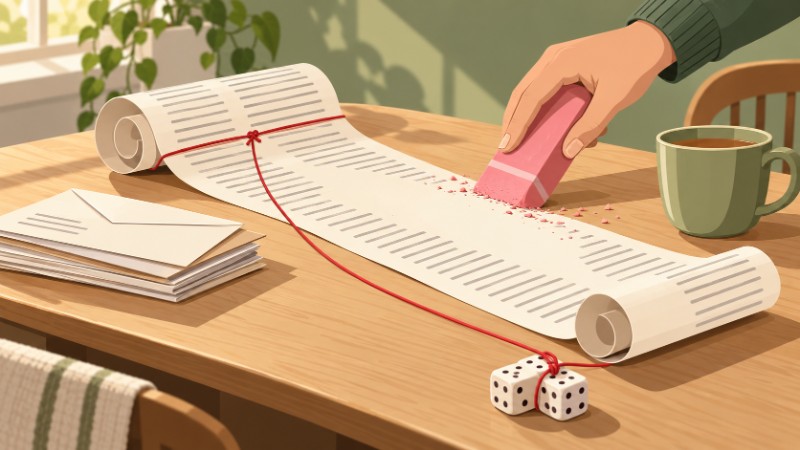
If gambling has left you owing more than you can pay back, the short answer is yes, a lot of that debt can be written off in the UK. But there’s a catch that most people don’t find out about until they’re halfway through the process, and it’s important that you know that before you start.
By Brian Taylor | 21 October 2026
Please note: We’re not financial advisers, and nothing in this article is financial advice. It’s general information to help you understand your options, and the free debt charities listed at the end can give you advice on your own situation.
I’ve lost count of the number of times I’ve heard a version of the same story. Someone has a bad run, borrows to cover it, borrows again to cover the first loan, and a year later they’re looking at credit cards, an overdraft and a couple of loans that add up to more than they earn in a year. By the time they look for help, the question isn’t how to win it back. It’s whether there’s any way out at all.
There is. The UK has a set of formal debt solutions, and gambling debts can go into all of them. But gambling isn’t treated quite like other spending when a debt is written off, and if you know how the system looks at it, you can avoid the parts that would make things worse.
A gambling debt is usually just a debt
Let’s clear up a common question first, because it gets searched a lot: are gambling debts legally enforceable in the UK? Yes. Since the Gambling Act 2005 came fully into force in 2007, a gambling contract can be enforced like any other. But that matters less than might fear, because hardly anyone owes money directly to a bookmaker or casino. Online operators don’t give credit, and gambling on a credit card has been banned at licensed operators since April 2020.
What most people call gambling debt is really ordinary borrowing that paid for gambling: an overdraft, a personal loan, a payday loan, a credit card that cleared a deposit before the ban, or money borrowed from family. Your bank doesn’t care what you spent its money on. Legally, a loan you used to gamble is the same as a loan you used to buy a car. That’s good news, because it means every normal debt solution is open to you.
The options, from lightest to heaviest
These are the main routes in England and Wales. Scotland and Northern Ireland have their own versions with different names and rules, so if you live there, check with a debt adviser who covers your nation.
Every one of these will impact your credit file, usually for six years, and none of them should be picked on a whim from a list on a website, including this one. The right route depends on what you owe, what you earn, whether you own your home, and what else is going on in your life. That’s exactly what a free debt adviser will work through with you.
The catch: where gambling counts against you
This is the part I wish more people knew about. If you go bankrupt or get a debt relief order, the Official Receiver looks at how you got into debt. And the law gives a list of behaviours the court has to take into account when deciding whether to put extra restrictions on you. Gambling is on that list, by name, alongside things like reckless spending and taking on debt with no realistic way of paying it back.
What a restrictions order means
If gambling played a big part in your debts, the court can make a bankruptcy restrictions order or a debt relief restrictions order. It can last anywhere from 2 to 15 years.
While it’s in place, you’re under many of the same rules as during bankruptcy itself. For example, you have to tell a lender about your status before borrowing more than £500, and you can’t be a company director without the court’s permission.
I don’t want to overstate this. A restrictions order isn’t automatic, and plenty of people with gambling debts go through bankruptcy or a DRO without one. The question is whether gambling materially caused or increased the debt, and whether there was anything else as an aggravating factor, such as borrowing knowing you couldn’t pay it back. Being open and honest with the Official Receiver counts for a lot. What I don’t want is for anyone to read this and decide not to get help, because carrying on as you are will almost always cost you more than any restriction.
IVAs work differently, because your creditors vote on them. Some lenders are wary when the debt came from gambling, mostly because they worry it hasn’t stopped. A proposal is much more likely to be accepted if you can show you’ve taken steps to stop, and an IVA that fails halfway through because your gambling started again can leave you worse off than before.
Check whether you should have been lent the money at all
Before anything gets written off, there’s one more question worth asking, because it can reduce what you owe. Lenders are supposed to check that you can afford what they lend you. If a bank or loan company could see your statements were full of gambling transactions and lent money to you anyway, you may have a complaint about irresponsible lending.
You complain to the lender first, and if you’re not happy with the answer, or you’ve heard nothing after eight weeks, you can take it to the Financial Ombudsman Service for free. The ombudsman has upheld complaints like this where gambling was clearly on the account and the lender didn’t do proper checks, though it isn’t a winning argument every time. When these complaints succeed, the usual result is that interest and charges are refunded or taken off the balance, rather than the whole debt disappearing. It can still knock off a meaningful chunk.
You don’t need a claims company to do this, and I’d avoid the ones that take a cut of anything you get back. The process is free and designed for you to do yourself. The same goes for complaints against gambling operators that failed in their safer gambling duties.
Stop the gambling before you fix the debt
I’ll be straight with you, because the debt advisers will be too. Any debt solution only works if the gambling has stopped. Writing off debt while you’re still gambling just clears the ground for the next lot. That’s not a judgement; it’s how it plays out for a lot of people, and it’s why lenders and insolvency practitioners ask about it.
Three things that make the biggest difference
✓ Turn on the gambling block in your banking app, so card payments to gambling sites are refused.
✓ Register with GAMSTOP, which blocks you from every UK-licensed gambling site at once.
✓ Call the National Gambling Helpline on 0808 8020 133. It’s free, confidential and open every day.
One warning while we’re here. When you’re under pressure, offshore sites that ignore GAMSTOP and take any payment method can look like a way to win back what you owe. They’re off limits for UK players, they don’t follow British rules on protecting customers, and they’re the last thing anyone in debt needs. Stay well away.
If the debt isn’t in your name
Plenty of people searching this information are dealing with someone else’s gambling debt. In general, you’re not responsible for debts that are only in your partner’s name, even if you’re married. Joint debts are different, because each of you can be chased for the full amount, and a joint account or loan can link your credit file to theirs. I’ve written about how to protect your own money and credit in an article on this site about whether you can stop someone else gambling, and the same steps apply here.
Where to get free help
You’ll see plenty of adverts promising to “write off your debt” fast. Be careful with them. Some are fee-charging firms that make money from selling you a particular solution, usually an IVA, whether or not it’s the best one for you. The charities below give free, impartial advice, they deal with gambling debt every day, and they won’t judge you for how it happened.
If things feel too much right now, Samaritans are there day or night on 116 123. Debt and gambling problems often go together with a lot of stress, and there’s no shame at all in talking to someone about how you’re feeling as well as what you owe.
Can gambling debts be written off? Yes, in many cases. Debt relief orders, IVAs and bankruptcy can all clear debt that came from gambling, and Breathing Space can stop the pressure while you work out which one is right. The catch is that gambling is one of the things the system looks at when debts are written off through bankruptcy or a DRO, and it can lead to restrictions that last for years. That’s not a reason to put off getting help. It’s a reason to get proper free advice first, check whether any of your lenders should have said no, and make sure the gambling has stopped before you draw a line under the debt. Do it in that order, and a fresh start is a realistic goal.