
News Update | UK Betting | March 2026
Why is this happening? The official explanation is tax pressure. The truer one is that racing has become the easiest budget line to cut when bookmakers feel squeezed.
What they say
The company has linked the decision to the UK’s tightening gambling tax environment.
What it means
Racing’s dependence on bookmaker money is starting to look dangerously exposed.
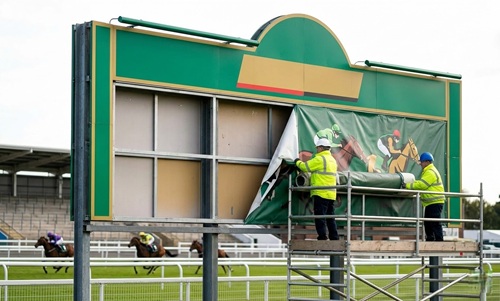
bet365’s decision to end several established horse racing sponsorships has landed like another loose tile falling off an already shoddy roof. The operator is pulling out of title sponsorship for the Craven meeting at Newmarket, stepping back from races at the July Festival, and ending its backing of the Old Newton Cup and Lancashire Oaks at Haydock, a relationship that had lasted 23 years in the Haydock case. This isn’t a light bit of spring cleaning by the well-known betting form. It’s a serious retreat from the sport by one of the biggest names in British betting.
The public explanation offered by the bookie is simple enough to swallow. Trade coverage has tied the move to the worsening economics facing betting firms after the government’s gambling duty changes. Reuters reported recently that Entain expects about £200 million in additional annual costs from the UK’s proposed gambling tax hikes, which gives some sense of the pressure large operators think they’re under. Even if bet365 hasn’t published the same kind of figure, it would be foolish to think it’s feeling none of the same strain.
The real cause isn’t just tax, it’s prioritisation
Still, tax is only half the story, and perhaps not even the most interesting half. The real cause of the sponsorship exodus is that bookmaker sponsorship is discretionary spending. When the environment toughens, firms protect the things that directly move revenue and start questioning the things that mainly buy visibility, goodwill, or history. Horse racing sponsorship sits squarely in that second category. A betting app, a trading team, a product refresh, or a compliance upgrade is harder to cut. A race title is easier. Much easier.
That’s why we don’t fully buy the sympathetic version of this story, the one where bookmakers are helpless victims of Treasury arithmetic and racing just happens to be caught in the crossfire. What’s actually happening is more cold-blooded. Operators are looking at what they spend, asking what gives them the clearest return, and deciding that some of their racing relationships no longer justify the outlay. Tax pressure speeds that up, obviously. But the deeper issue is that sponsorship has moved from “strategic asset” to “luxury item” in the minds of some major firms.
Our view
The sponsorship exodus isn’t really a moral statement about racing, and it isn’t just an automatic reaction to tax. It’s a blunt commercial judgement. Bookmakers still like racing as a betting product. They just don’t like it enough to keep paying for the scenery around it.
Why this matters more for racing than it does for bookmakers
Horse racing can complain about this, and fairly enough, but it can’t say it wasn’t warned. Reuters reported last September that British racing receives over £350 million a year from betting firms when the levy, media rights, and sponsorship are taken together. It also noted that the sport contributes more than £4 billion to the economy and supports 85,000 jobs, which helps explain why the industry has been so alarmed by any policy likely to weaken bookmaker spending. The trouble is that a funding model built this heavily around betting company money was always vulnerable to precisely this kind of mood change.
The BHA itself has already signalled the risk. In its December 2025 budget response, it said the rise in gambling taxes would hit betting operators significantly and that racing needed to work closely with the industry to understand the wider impact. That’s diplomatic language, but the implication is obvious enough. If betting firms have less room, racing eventually feels it. And if bookmaker marketing budgets continue to shrink, trade reporting earlier this year described the current media-rights-and-sponsorship model as unsustainable in the long run. That now feels less like alarmism and more like an early diagnosis.
Can racing survive without the sponsorship cash?
Yes, but not comfortably, and not in its current shape. That’s the honest answer. Horse racing would still exist without bookmaker sponsorship. It wouldn’t vanish in a puff of disappointment because one fewer meeting carries a betting logo. But survival isn’t the same as health. If the sponsorship line starts thinning across the sport, smaller racecourses, less fashionable meetings, and events without elite prestige will feel it first. The famous festivals and major fixtures can usually find new partners. The more ordinary plumbing of the sport is where the pain sits.
There’s also a grim possibility that racing becomes even more lopsided than it already is. The best-known races could continue under new commercial arrangements, perhaps with a broader spread of non-betting sponsors, while the middling and lower-tier parts of the calendar are left scrambling. That would keep “British racing” alive in a technical sense, but it would change what sort of sport it is. It would become more concentrated, more prestige-driven, and probably less secure outside its top end.
What happens next
In the short term, there’ll be a lot of public hand-wringing and a lot of private spreadsheet work. Racing will try to present this as a warning flare, and it is one. Bookmakers will continue saying tax pressure leaves them little choice, and there’s truth in that too. But the underlying relationship has changed. The old assumption that racing could count on betting brands to keep underwriting visibility, atmosphere, and status looks much weaker than it did even a year ago.
Our own view is that horse racing can survive, but only if it stops assuming that betting sponsorship is a permanent feature of the landscape. It may remain important. It may even remain central. But it no longer looks dependable. And once a funding stream stops looking dependable, any industry that relies on it this heavily has a problem, whether it wants to admit it or not.